Seventy six percent of IBS or Irritable bowel syndrome patients also suffer from psychological comorbidities such as anxiety, depression, fatigue, stress, as well as:
*Interstitial cystitis (painful bladder syndrome) and urinary frequency
*Chronic pelvic pain
*Migraine headaches or ones called migraines
*Chronic Fatigue Syndrome
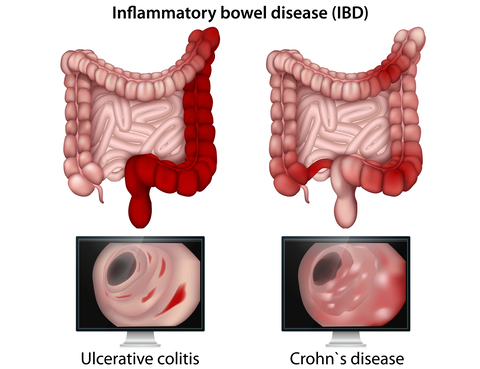
*Celiac Disease & Inflammatory Bowel Diseases
*Fibromyalgia Syndrome
The risk of developing Irritable Bowel Syndrome increases six-fold after gastrointestinal infection and remains elevated for at least 2-3 years post-infection. Ten percent of patients who have bacterial gastroenteritis develop IBS. It is suggested that an exposure to pathogenic organisms disrupts intestinal barrier function, alters neuromuscular function and triggers chronic inflammation which sustains IBS symptoms.
Various risk factors for Irritable Bowel Disease include demographics, psychological disorders, and severity of enteric illness. Parasites and bacteria like campylobacter, shigella, salmonella, and E coli are all common pathogens of the intestinal tract that can cause IBS. An unhealthy microbiome allows these organisms to multiply and create a cascade of inflammatory events that further degrade the intestinal microbiome. Restoring microbiome health should be first and foremost in any recovery program. My book gives an expanded perspective on this topic in the chapter digestive disorders.
Together, B. longum 35624 & B. longum 1714 improved symptom severity in 82% of IBS patients Reduced overall IBS symptom severity by 45% on average with improvements in abdominal pain severity, pain frequency, abdominal distention severity, and bowel habit satisfaction. Reduced depression & anxiety scores. Improved sleep quality and quality of life scores.
What are Silent Probiotics? Both Bifidobacterium longum 35624 and Bifidobacterium longum 1714 have a special sugar coating called an Exopolysaccharide coat (EPS). This fancy sugar coat helps 35624 and 1714 go into incognito mode to avoid triggering the immune system. Once these vital strains are introduced into the intestinal tract, as well as other healthy strains, then the healing of the microbiome can be felt.
This information has not been reviewed by the FDA. It does not prevent, cure, or treat any disease.